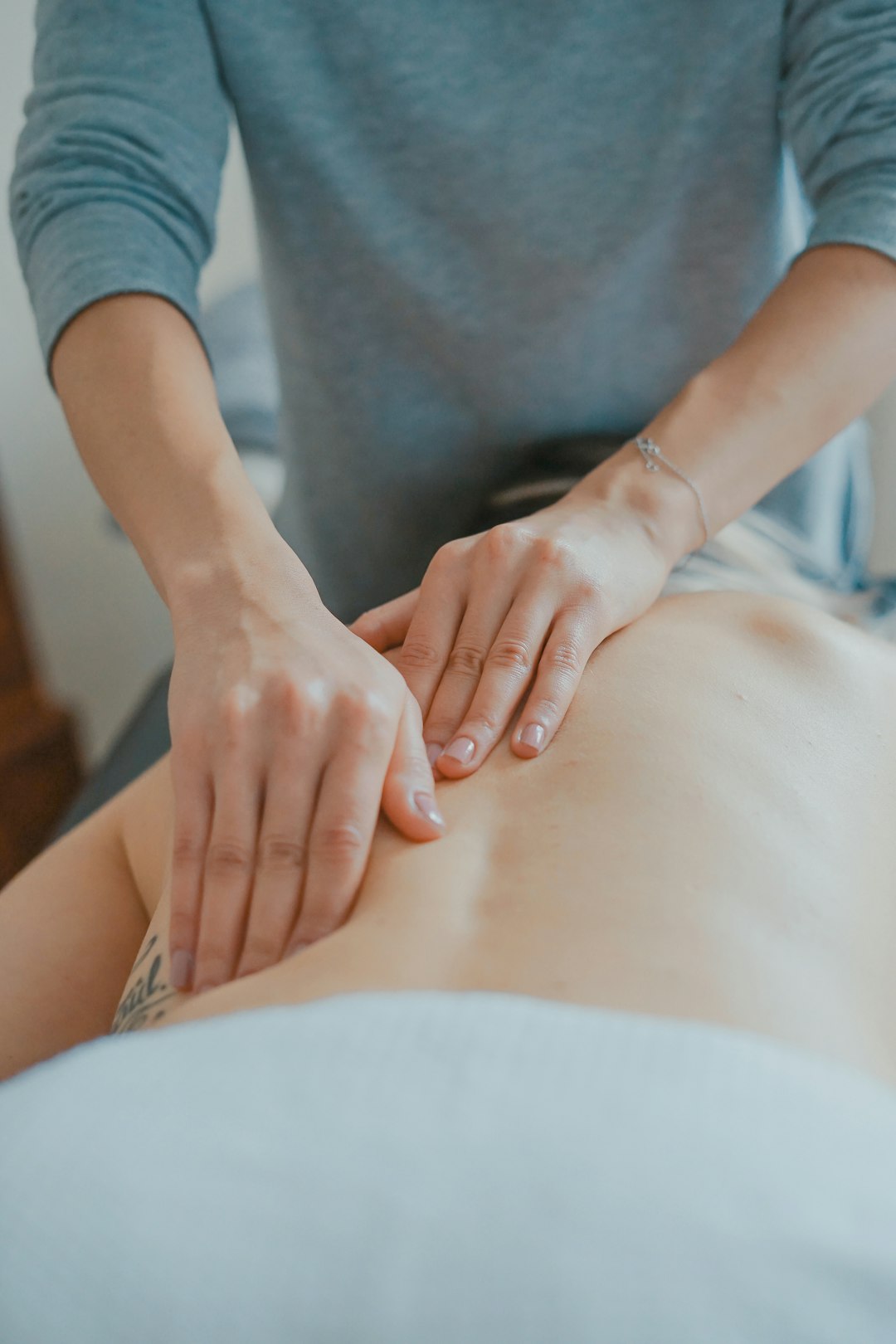
Erotic massage is more than just a sensual indulgence. For many individuals and couples, it serves as a deeply personal form of connection that blends physical touch with emotional closeness. At its core, erotic massage is about mindful, consensual exploration of the body, aiming to awaken pleasure, reduce stress, and foster intimacy. Unlike clinical massage therapy that focuses primarily on muscle relief and physical rehabilitation, erotic massage incorporates sensual techniques intended not only to relax the body but to arouse and connect.
This practice has gained growing attention in wellness and relationship spaces, particularly as more people seek holistic ways to deepen their connection with themselves or their partners. One of the most distinctive aspects of erotic massage is the emphasis on slowing down and being present. Rather than rushing through physical contact, practitioners take their time, allowing touch to become a language of its own—one that speaks of desire, care, and attentiveness. The goal is not solely climax but the journey of sensation, intimacy, and trust.
In relationships, erotic massage can play a transformative role. When done with intention and mutual consent, it helps create a safe space for vulnerability and honest communication. It allows couples to break away from routine and rediscover each other’s desires in a setting that feels both intimate and liberating. The act of giving and receiving touch, without pressure or expectation, can rekindle closeness and enhance emotional bonds. For those exploring their sexuality or trying to overcome intimacy challenges, practices like erotic massage offer a supportive, non-judgmental pathway.
Erotic massage also holds benefits for individual self-care. Many people turn to it as a form of personal exploration and body acceptance. By engaging in sensory touch, individuals can tune into their bodies in a mindful, compassionate way. This can be especially empowering for those who have experienced shame or disconnection from their sexuality. Creating a comfortable, private environment—dim lighting, soft music, and quality oils—can help foster a setting where one feels safe enough to relax and enjoy the experience.
There are various techniques used in erotic massage, ranging from feather-light strokes to deeper, more rhythmic movements. Depending on the comfort level and desired outcome, different methods can be employed. Breathing techniques, eye contact, and verbal feedback also enhance the experience, ensuring both parties feel connected and attuned to each other’s needs. Consent and communication are essential at every stage, making sure all touch is welcome and pleasurable.
For those new to the practice, getting started might feel intimidating. However, with the right resources and openness to learn, it quickly becomes a rewarding part of one’s wellness routine. Online communities and educational platforms offer guides and tutorials that walk users through techniques, safety, and emotional aspects. One such resource for exploring sensual experiences and learning about erotic touch is this platform focused on intimacy, which provides information tailored for both beginners and experienced individuals.
Erotic massage is not limited to any one relationship type or gender identity. It is an inclusive practice that celebrates the human body and the myriad ways it can experience pleasure. Whether practiced solo or with a partner, its benefits extend beyond the physical, encouraging a deeper connection with one’s self and others. As it continues to gain recognition in the wellness world, more people are discovering its potential as a tool for healing, connection, and joy.
Ultimately, erotic massage invites us to be present—to listen, feel, and respond with care. It strips away distractions and encourages a focus on genuine connection. In a world where touch is often rushed or overlooked, taking the time to engage in conscious, sensual exploration can make all the difference in how we experience intimacy and pleasure.