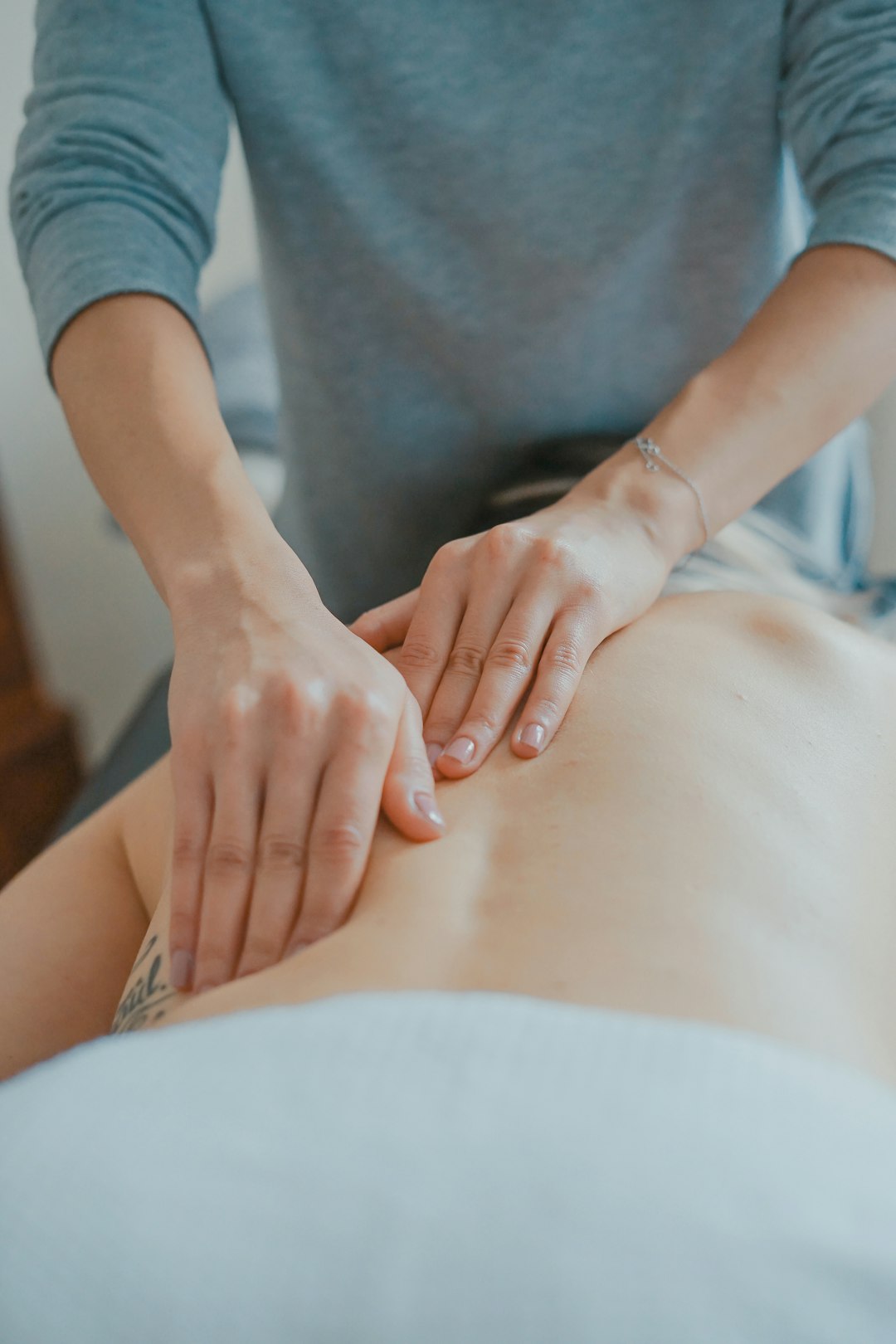
After childbirth, many women face physical challenges that affect daily life. Lower back pain, pelvic discomfort, and general weakness are common complaints during those first weeks. These problems often come from the strain pregnancy and delivery place on the body. Postnatal physiotherapy offers targeted treatment to help women recover strength and reduce pain. Early intervention can prevent longer-term issues and support a smoother return to everyday activities.
The focus of postnatal physiotherapy is restoring movement and easing discomfort through specific exercises and manual therapy. Pelvic floor rehabilitation is a key component because childbirth can weaken these muscles. Strengthening the pelvic floor helps reduce risks of incontinence and pelvic organ prolapse down the line. Physiotherapists guide mothers in performing exercises safely, often starting with gentle contractions and gradually increasing difficulty.
Physiotherapists also emphasize teaching correct body mechanics for routine tasks. Simple actions like lifting a car seat or bending to pick up your baby’s toys can worsen pain if done improperly. Learning how to engage core muscles and use leg strength rather than relying on the back is practical advice that makes a difference. This hands-on education lets mothers manage their responsibilities while protecting their recovery.
Many new mothers feel overwhelmed balancing childcare and their own healing process. Joining a structured postnatal physiotherapy program can provide more than physical benefits. Group sessions create a supportive space to share experiences and challenges with others undergoing the same journey. This social aspect helps reduce feelings of isolation and builds motivation to keep progressing.
As recovery advances, some women want to improve overall fitness too. A tailored postnatal physiotherapy plan often includes low-impact cardiovascular exercises like walking or swimming. The intensity increases gradually to match each woman’s tolerance. This approach supports physical stamina and mental health by triggering natural mood-lifting chemicals during movement.
If you’re ready to start rehabilitation, it’s best to consult local practitioners with experience in postnatal physiotherapy mosman. They understand the typical recovery timeline and common setbacks, such as delayed healing due to overexertion or inconsistent exercise habits. Physiotherapists usually assess posture, muscle tone, and pain triggers before designing an individualized plan.
Mental well-being is another aspect often addressed in postnatal care. Mood fluctuations and anxiety are frequent as mothers adjust to new routines and sleep patterns. Discussing emotional health openly with your physiotherapist or a linked support professional can provide useful coping strategies. Stress management techniques like breathing exercises or mindfulness might be incorporated into the recovery plan.
Investing time in postnatal physiotherapy means prioritizing your health for the long haul. Whether dealing with specific pains or seeking guidance on returning to activity, this care supports your postpartum journey step by step. For additional resources and service options, consider visiting postnatal care support Mosman.