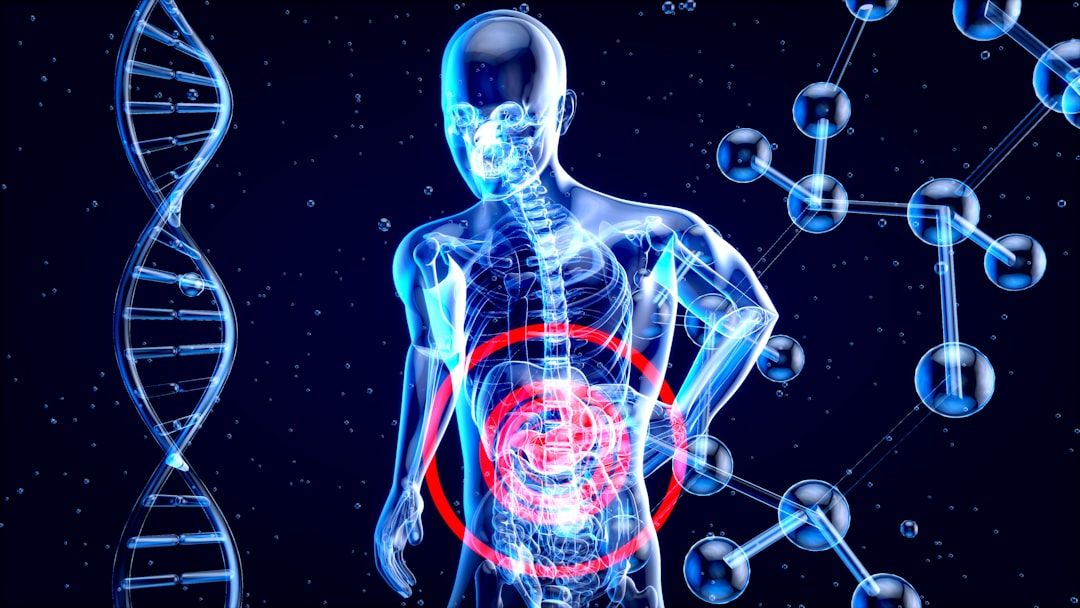
The human nervous system plays a vital role in regulating every aspect of our physical and emotional well-being. From controlling movement and reflexes to managing stress and emotional responses, it serves as the communication highway between the body and the brain. When this system becomes dysregulated due to trauma, chronic stress, illness, or lifestyle factors, the consequences can ripple through the entire body, affecting sleep, digestion, mood, and concentration.
Nervous system regulation is the process of maintaining or restoring balance within this complex network of nerves and pathways. This balance allows individuals to respond appropriately to their environment while maintaining internal stability. When the system is functioning optimally, we can move seamlessly between states of alertness, relaxation, and rest. However, when dysregulation occurs, the body can become stuck in states of fight, flight, or freeze, leading to physical tension, emotional instability, and cognitive difficulties.
The autonomic nervous system, which includes the sympathetic and parasympathetic branches, is central to this regulation. The sympathetic system triggers responses associated with stress and danger, such as increased heart rate and heightened alertness. In contrast, the parasympathetic system supports rest, digestion, and recovery. Ideally, the body shifts fluidly between these states in response to real-time needs. But chronic stress or trauma can hinder this flexibility, making it difficult to return to a calm baseline.
One of the most effective ways to support nervous system health is through awareness and daily practices that encourage parasympathetic activation. Activities such as deep breathing, mindfulness meditation, gentle movement, and adequate sleep can help to signal safety to the brain. These practices not only calm the body in the moment but also build long-term resilience, allowing the nervous system to respond more adaptively to future stressors.
Research has shown that the vagus nerve, a key component of the parasympathetic system, plays a significant role in emotional regulation and physiological stability. Stimulating this nerve through techniques like diaphragmatic breathing, humming, cold exposure, or certain body-based therapies can help restore balance. For those struggling with chronic dysregulation, exploring targeted approaches to nervous system regulation may offer a path toward healing and improved function.
Environmental factors also influence nervous system health. Exposure to nature, reducing screen time, and cultivating supportive relationships can have a calming effect on the brain and body. Social connection, in particular, activates pathways associated with safety and trust, which are essential for parasympathetic engagement. Creating a routine that includes moments of rest, connection, and self-care strengthens overall regulation and helps counteract the effects of daily stress.
Children and adults alike benefit from interventions that support sensory integration. For example, engaging in sensory-rich activities like swinging, tactile play, or proprioceptive input can help organize the nervous system, making it easier to focus, learn, and interact with others. Occupational therapy and specialized programs that incorporate these principles often show positive outcomes for individuals with sensory processing challenges.
For those seeking more structured support or guidance, educational resources and therapeutic interventions can be essential. Understanding the science behind nervous system function empowers individuals to make informed choices about their health. Whether through professional support or self-guided practices, consistent attention to nervous system balance can lead to greater emotional regulation, physical health, and overall well-being.
To learn more about how sensory-based approaches can enhance neurological function and support healing, visit this resource on brain-based therapies.