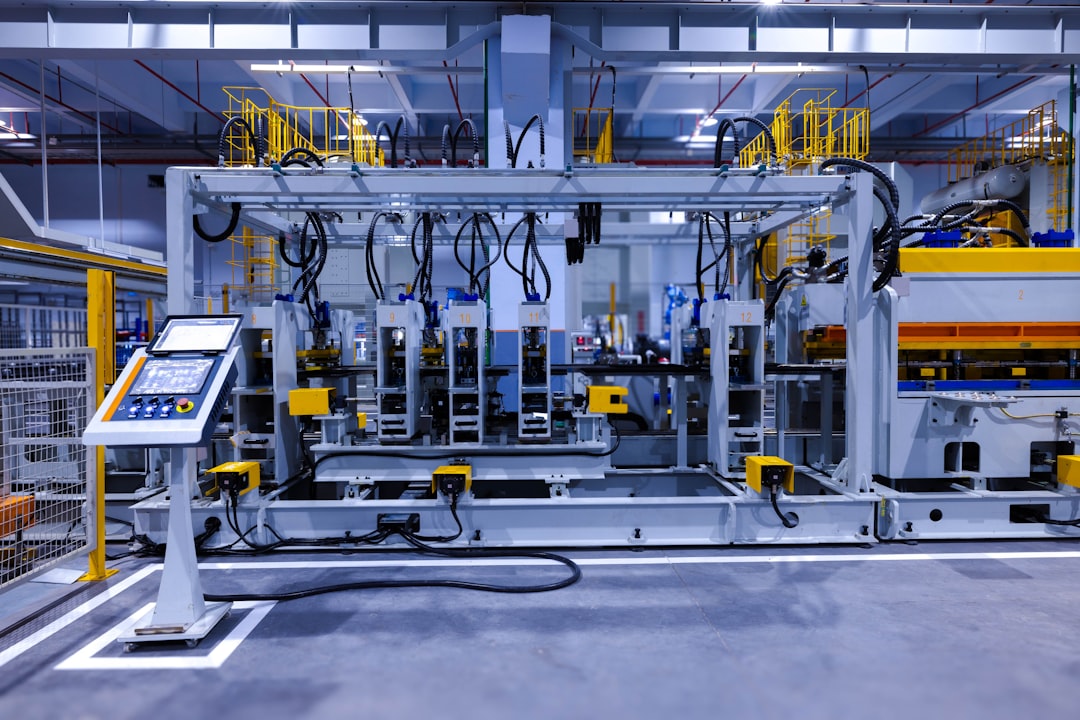
If you run a small business and need new machinery, the upfront cost can be intimidating. Equipment financing offers a way to get what you need without emptying your bank account. But before signing any deal, you have to understand how financing rates work. These rates are influenced by your credit history, the value of the loan, and the kind of equipment you’re buying. A good credit score often means lower interest charges, while if your credit is less than ideal, expect to pay more. New equipment generally qualifies for better terms since lenders see it as less risky and it holds its value longer.
Picture a construction firm aiming to buy several trucks. If one lender offers a 6 percent interest rate over five years and another offers 4 percent, the difference in total payments can be substantial. This is why it pays off to shop around for equipment financing rates before committing. Some businesses make the mistake of accepting the first offer without comparing terms thoroughly, a costly oversight.
The loan-to-value ratio, or LTV, also matters. It shows what portion of the equipment’s price a lender will cover. A low LTV means the lender takes on less risk and might offer better rates or terms. Knowing your LTV can give you leverage when negotiating financing. For example, if you can put down a higher deposit, you might secure a lower interest rate or more flexible repayment conditions.
Leasing is an alternative to borrowing money to buy equipment outright. With leasing, you pay to use the gear over a set period without owning it at the end. This often results in lower monthly payments but can limit flexibility if you want to upgrade or sell equipment later. Some companies prefer leasing because it keeps assets off their balance sheet, which can help with financial ratios and taxes. It’s important to weigh these pros and cons against your business goals.
Picking the right financing partner goes beyond just rates. Look for providers who offer clear communication and personalized service. A dedicated account manager who understands your industry can save you from misunderstandings that cause delays or extra costs. For instance, many borrowers don’t realize that paperwork errors on financing documents often cause rework and slow down access to funds. Having someone to walk you through the process helps avoid those snags.
Understanding legal elements like UCC filings is another practical step. These filings establish a lender’s security interest in your equipment and protect both parties in case of default. Knowing how UCC filings work prevents surprises when you refinance or sell your equipment later. Many business owners don’t pay enough attention to these details until they run into trouble, so getting familiar early is wise.
Technology can also assist in managing your equipment financing. Platforms that track your loan status, payment schedules, and filing deadlines reduce manual errors and save time. Using such tools means fewer missed payments or overlooked compliance requirements. It’s common for businesses to set calendar reminders for renewal dates or lien releases as part of their routine financial checks.
Finally, keep in mind that every financing deal is unique. Factors like your industry’s economic conditions, the equipment’s expected lifespan, and tax implications all play roles in determining the best approach. Talking to lenders who specialize in your field can provide insights that generic financing offers might miss. Don’t hesitate to ask detailed questions about fees, penalties for early repayment, or what happens if your business circumstances change.
For more information on securing equipment loans and understanding related risks, explore resources on business loan compliance guidance. These materials can help you handle filings correctly and stay ahead of potential legal hurdles.