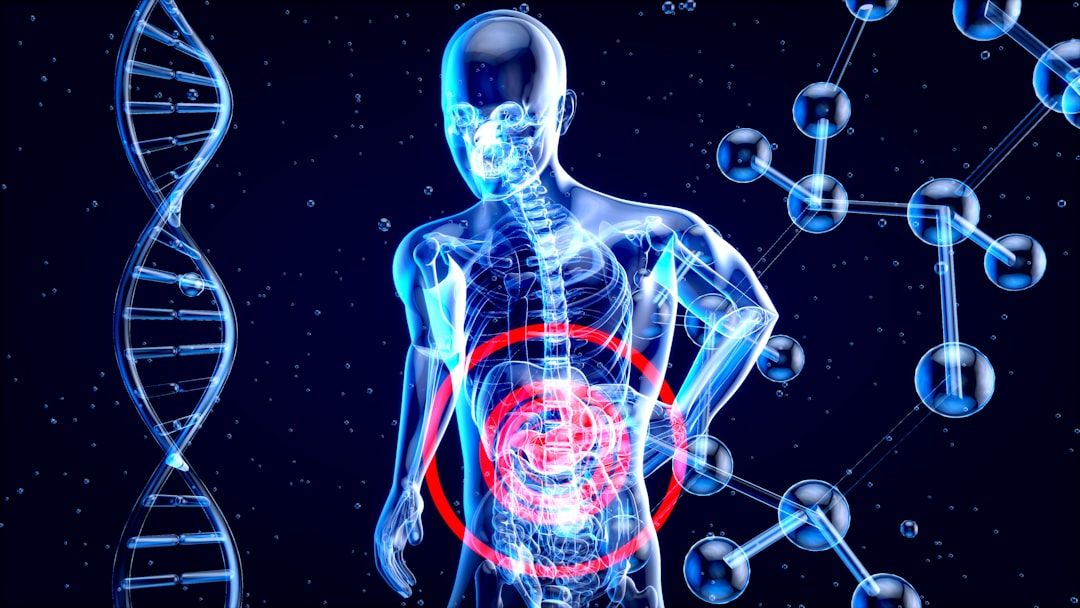
Gut health has moved to the forefront of wellness conversations for good reason. The trillions of bacteria, viruses, and microorganisms that reside in our digestive tract form what is known as the gut microbiome, and this complex ecosystem plays a central role in our physical and mental health. Far from being limited to digestion, the gut influences immune function, hormone regulation, mood, and even brain performance.
One of the most important functions of the gut is nutrient absorption. When the digestive system is healthy, it efficiently breaks down food and allows vital nutrients to enter the bloodstream. But when the gut is imbalanced, due to factors like poor diet, stress, or antibiotics, this process falters. Nutrient deficiencies can then set off a chain reaction, leading to fatigue, weakened immunity, and chronic inflammation. This is why maintaining a balanced gut microbiome is not just about avoiding digestive issues but about supporting the entire body’s well-being.
The immune system and the gut are closely linked. In fact, around 70% of the body’s immune cells reside in the gut. A healthy gut teaches the immune system to recognize and respond appropriately to threats, while also minimizing unnecessary inflammation. When this balance is disrupted, it can lead to autoimmune conditions, allergies, and increased susceptibility to illness. Understanding the importance of gut health is essential for anyone looking to strengthen their immune defenses and reduce long-term health risks.
Mental health is another area where the gut plays a surprisingly significant role. The gut and brain are connected through the gut-brain axis, a communication network involving nerves, hormones, and biochemical signaling. The microbiome helps produce neurotransmitters like serotonin and dopamine, which regulate mood and emotional stability. When the gut is out of balance, it can contribute to anxiety, depression, and cognitive decline. Emerging research continues to explore how improving gut health can support better mental clarity and emotional resilience.
Diet is one of the most powerful tools for improving gut health. Consuming a wide variety of fiber-rich foods, such as vegetables, fruits, legumes, and whole grains, helps feed beneficial bacteria. Fermented foods like yogurt, sauerkraut, and kefir introduce helpful microbes directly into the digestive tract. Avoiding overly processed foods, excessive sugar, and artificial additives can also help prevent microbial imbalances. Hydration, regular physical activity, and stress management further contribute to a robust and diverse gut microbiome.
Children’s health is also deeply tied to gut health. From birth, the development of a child’s microbiome is shaped by factors including delivery method, breastfeeding, and exposure to antibiotics. Supporting gut health early on can influence everything from growth and development to immunity and behavior. Teaching children healthy eating habits and encouraging exposure to natural environments can foster a stronger microbiome that benefits them throughout life.
People often overlook the connection between gut health and skin conditions. Issues like acne, eczema, and rosacea can sometimes be traced back to gut imbalances. When the gut lining becomes permeable, or “leaky,” toxins and undigested food particles can enter the bloodstream, triggering systemic inflammation that manifests in the skin. Addressing gut health from the inside out can often lead to clearer, healthier skin without relying solely on topical treatments.
For those looking to explore more about how gut health influences various aspects of wellness, there are many resources that offer in-depth insights and practical guidance. One such resource is this comprehensive wellness site that provides articles, programs, and tools aimed at improving gut health through diet and lifestyle changes. By becoming more informed, individuals can take proactive steps toward achieving lasting health improvements.
In short, gut health is foundational to nearly every system in the body. From immunity and digestion to mood and skin, the state of your gut microbiome influences how you feel each day. By paying attention to the signals your body gives and making mindful choices about what you eat and how you live, you can support a thriving gut environment that enhances your overall quality of life.