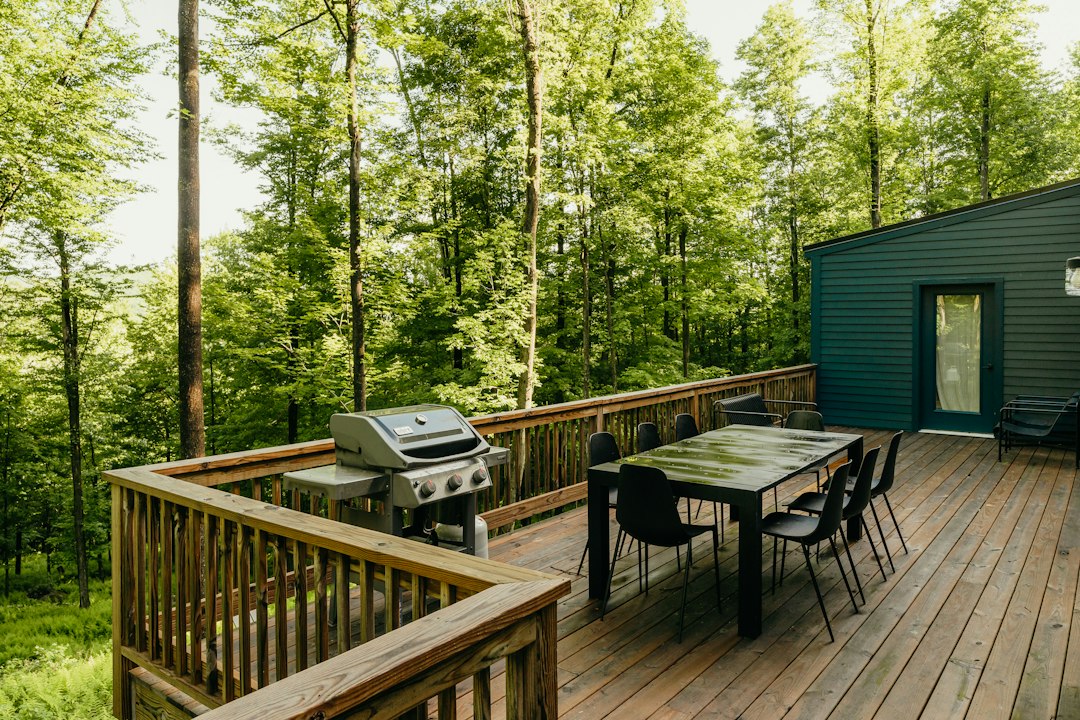

The first useful step was to separate the symptoms from the waterproofing system itself. A membrane is the continuous water-resistant layer that blocks moisture from reaching the structure below. It can fail when the concrete or timber substrate is dusty, damp, unstable, or contaminated with old coatings. The substrate is simply the surface receiving the system, but its condition determines whether the membrane can bond. In this case, loose material and earlier patching created weak areas. Scraping, cleaning, drying, and repairing the base would have taken longer at the start, but would have provided a sound surface for the actual waterproofing work.
Preparation also means checking how water is meant to leave the deck. A surface with inadequate fall, or slope, can hold puddles against seams and edges. Ponding places repeated pressure on small imperfections and gives moisture more time to find them. The better approach was to correct low spots where practical, keep drains clear, and select a compatible deck waterproofing system for the existing surface. Compatibility matters because a new layer may not adhere to an old coating, sealant, or repair compound. A small test area can reveal poor bonding before the whole deck is treated.
Edges and penetrations deserved separate attention. Flashing is shaped material or detailing that directs water away from vulnerable transitions, such as where a deck meets a wall. A penetration is any point where something passes through the waterproofed surface, including a post, pipe, or drain fitting. During another realistic inspection, water was entering near a railing support rather than through the open deck field. The surrounding coating looked continuous, but the joint had moved slightly and opened a narrow path. The repair involved cleaning the area, treating the transition with suitable detailing, and preserving drainage around the support.
Movement is another reason a visually neat coating can still fail. Outdoor decks expand, contract, and flex as temperature and moisture change. A rigid patch across a moving joint may split even when it initially looks solid. The improved method allowed for movement at planned joints and paid close attention to corners, wall connections, and changes in material. Application also needed consistent coverage, with particular care at edges where tools can leave thin spots. For related practical waterproofing guidance, the useful question is not which finish looks smoothest, but whether the complete system suits the deck’s movement and exposure.
A careful application does not end when the surface appears dry. The installer or property owner should inspect the finished membrane for pinholes, bubbles, thin areas, missed corners, and damage from later trades. Curing time matters because foot traffic, furniture, or rain can disturb a layer before it has developed its intended properties. Drain outlets should remain open, and water should not be directed toward the building by a misplaced edge or blocked channel. Where appropriate, a controlled water check can help reveal drainage or leakage issues, but it should follow the system’s instructions rather than being improvised.
The original ceiling stain was only the final clue in a chain of decisions. Covering it with another coat would have concealed the evidence while leaving the weak substrate, poor transition, or trapped water in place. A more durable repair began with diagnosis, continued through surface preparation and drainage review, and finished with careful detailing and inspection. For a homeowner facing a similar problem, photographs of cracks and wet areas can help document changes, but they do not replace an assessment of the deck assembly. Waterproofing works as a connected system, so the repair should address the route water takes, not just the place it appears.