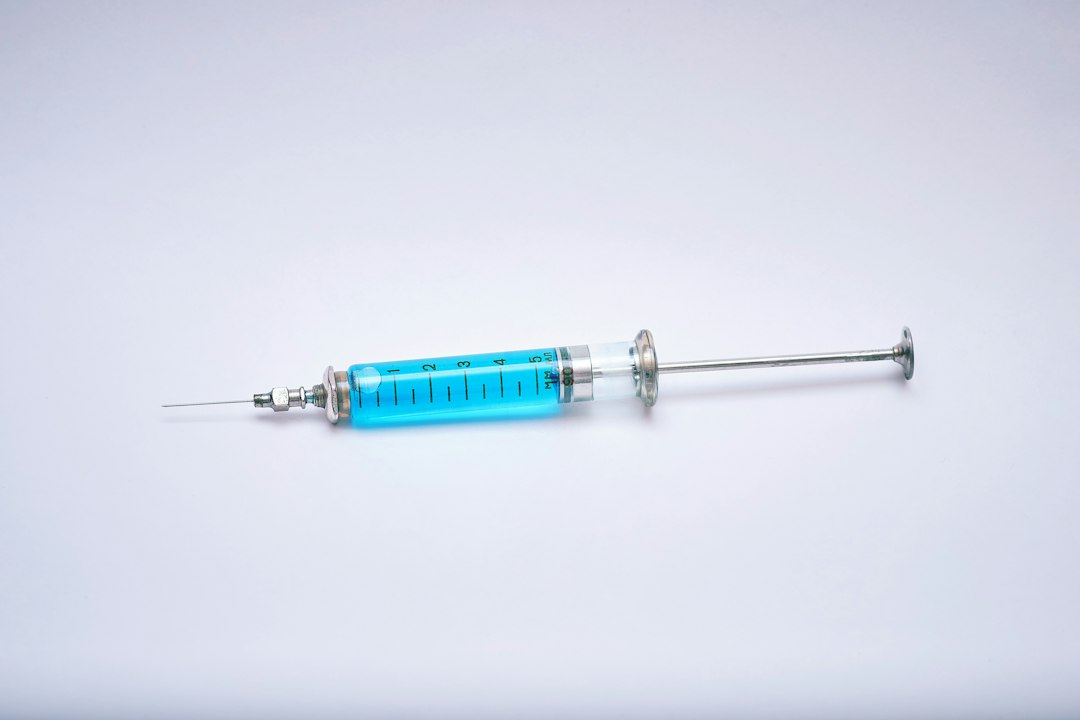

Dry needling targets sensitive points within tight muscle bands. These areas are often called trigger points, meaning a small section of muscle that feels unusually tender and may produce pain nearby when pressed. The word dry means that no medicine is injected. The needle provides a precise physical stimulus, chosen after an assessment of your symptoms, movement, strength, and medical history. Someone looking for dry needling miami should therefore view it as one clinical technique, not a stand-alone diagnosis or universal remedy.
During an appointment, the physiotherapist usually explains the plan and positions you comfortably before cleaning the skin. They may feel the muscle, ask you to move, and identify whether the painful spot matches the pattern of your symptoms. The needle is then inserted briefly and removed, sometimes with small changes in depth or direction. A local twitch response can occur. This is an involuntary, short contraction of the muscle, rather than an indication that something has been damaged. The number of needles and treatment areas depends on the assessment, not on a fixed recipe.
The proposed benefit is linked to how muscle and nerves respond to a carefully placed stimulus. A tight area may have increased sensitivity, altered blood flow, or a protective rise in muscle tone. Muscle tone means the background level of tension present even when you are not deliberately contracting it. Needling may help reduce sensitivity and make movement easier for some people, although individual responses vary. Pain can also be referred, meaning the source is in one area while the discomfort is felt elsewhere. That is why treating only the sorest spot is not always appropriate.
A common misconception is that dry needling should feel completely painless. The insertion may feel like a brief prick, while a twitch can produce a quick cramp or ache. Most sensations are short-lived, but you should tell the practitioner if the treatment feels too intense. Mild soreness or bruising can occur afterwards, much like after other local physical treatments. A proper consultation should cover conditions and medicines that could affect suitability, including bleeding problems, certain infections, pregnancy considerations, or a strong needle phobia. Never conceal relevant medical information.
Consider two typical situations. A recreational tennis player may have shoulder pain linked to a stiff upper back and overloaded muscles, so needling might be paired with mobility work and a gradual return to serving. Someone with recurring headaches may have tender neck muscles, but the practitioner should also screen for warning signs and other possible causes before treatment. These examples show why dry needling is not simply a way to chase pain. The broader plan may include strengthening, pacing, posture changes, sleep advice, or adjustments to training loads.
Results are not guaranteed after one session, and the number of appointments should depend on progress, the underlying problem, and your response. Some people notice easier movement quickly; others mainly benefit when needling is combined with a longer rehabilitation programme. Ask what the treatment is intended to change, what alternatives exist, and how progress will be measured. A qualified assessment can also clarify whether physiotherapy treatment options are suitable for your symptoms. The calmest approach is informed consent, realistic expectations, and a plan that helps you regain useful movement safely.