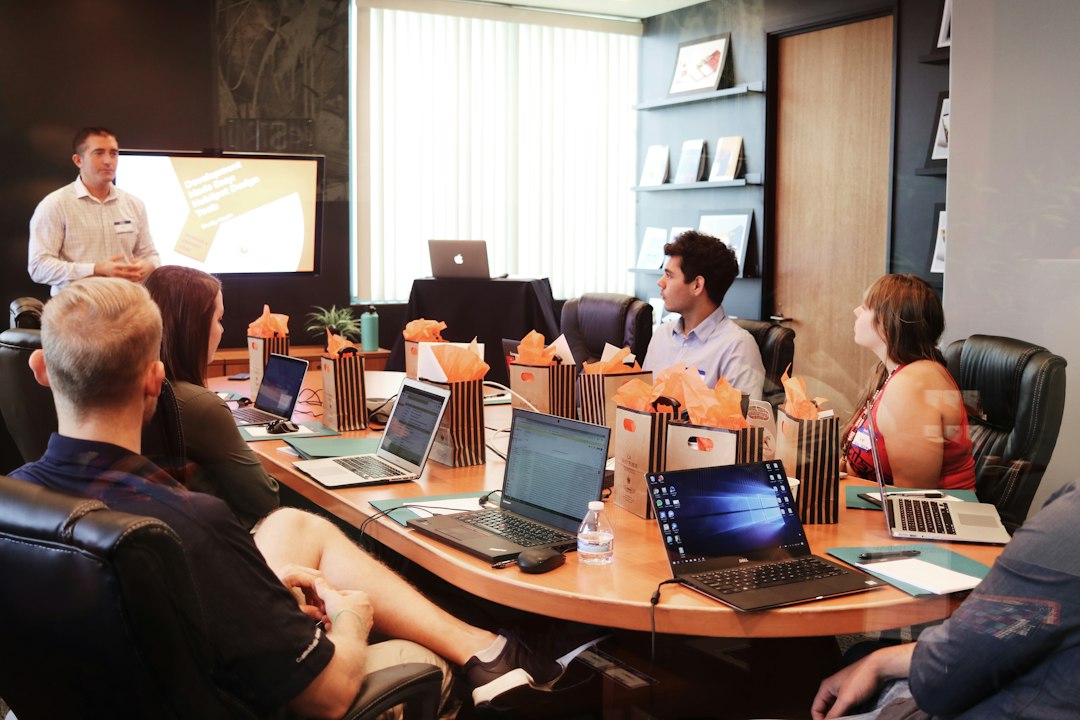

Start by defining what you want from your team building. Are you aiming to improve how people talk and listen to one another? Or maybe the focus is on lifting morale after a tough quarter? For example, problem-solving exercises push teams to work together under pressure, which is great for boosting collaboration. On the other hand, something like a casual outdoor game can break down barriers and make people laugh, easing tension. Knowing whether your team struggles with communication or just needs a morale boost helps choose the right activity.
A typical corporate team building day mixes different types of exercises to keep energy up and engagement high. Expect icebreakers that get people talking, followed by structured challenges that require cooperation. Including time at the end to review what happened is often overlooked but important. Reflection sessions let people voice what they learned or found difficult, which can highlight patterns in how the team interacts. For example, an escape room task forces players to think strategically and rely on each other’s strengths, reinforcing teamwork skills in a low-stress environment.
ACF Events offers a wide selection of activities tested across various teams. From sports tournaments that spark friendly competition to creative workshops where teams build something together, each option targets different goals. They tailor events based on company culture too, which makes a big difference. A finance team might prefer analytical challenges, while a marketing group may thrive in brainstorming sessions. Customising ensures no one feels left out or bored, which keeps everyone engaged throughout.
Accessibility is key when planning these events. Some people won’t be comfortable with physical challenges or noisy environments. For instance, those with mobility issues might find outdoor obstacle courses frustrating rather than fun. Offering alternatives like cooking classes or art projects gives everyone a chance to contribute without feeling sidelined. It’s about balance: activities should stretch the team but not exclude anyone because of ability or preference.
After the event, follow-up discussions are valuable and often missed. Sitting down as a group to talk about what worked and what didn’t helps cement lessons learned. These conversations also uncover hidden tensions or communication gaps that hadn’t been obvious during the activities. In practice, this might mean scheduling a short meeting the next day to share feedback or sending out a survey. Making it routine encourages ongoing improvement rather than letting the momentum fade away.
Mixing fun with skill-building generates the best results. Competitive games can spark energy and show who takes initiative, while collaborative projects encourage listening and patience. Both sides matter because teams need to enjoy themselves but also come away with tools they can apply at work. Investing in well-thought-out events pays off by creating a more connected group that handles challenges better together.
If you want fresh ideas for your next gathering, exploring options like team building can open new possibilities tailored to your team’s needs. Checking out different formats helps avoid one-size-fits-all approaches that rarely stick.
Building stronger bonds within your team leads to better performance and job satisfaction. Shared experiences create trust and respect, which encourage people to collaborate openly rather than work in silos. For more practical ways to strengthen your team through engaging activities, visit effective team connection methods.