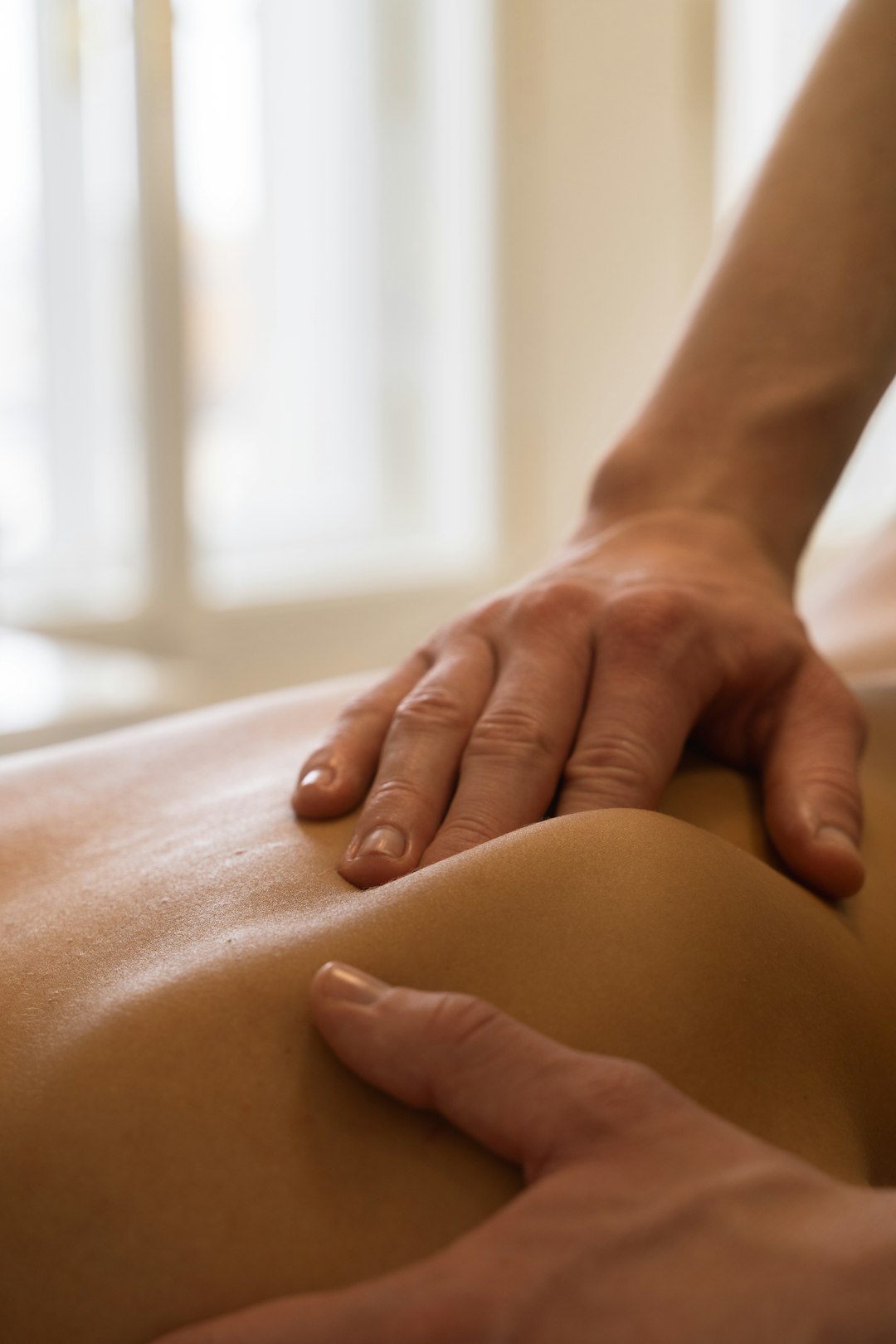

One common concept is muscle guarding. This is when muscles tighten automatically around a sensitive or poorly moving area, rather than simply becoming tired. Someone with a sore back may brace whenever they bend, then feel more restricted after several days of avoiding normal movement. Gentle hands-on treatment can help the person relax and explore movement, but pressure should be adjusted to their response. If the pain is sharp, spreading, or becoming more intense during treatment, that is useful information, not something to push through.
I also explain referred pain regularly. The place that hurts is not always the structure causing the problem. A neck joint or irritated muscle may produce discomfort around the shoulder blade, for example, while hip stiffness can be felt in the buttock or upper thigh. This does not mean every ache has a hidden cause. It means the assessment should include nearby joints, strength, posture, activity and symptom behaviour. That broader view is why massage is often most useful as one part of care rather than a stand-alone answer.
Another practical idea is range of movement, meaning how far a joint can move comfortably and under control. A person might reach overhead easily on one side but stop early on the other because of pain, stiffness or weakness. I might see this in a swimmer who has reduced shoulder movement after increasing training, or in someone whose ankle remains stiff after an old sprain. Treatment can address comfort, but exercises are usually needed to build confidence and capacity in the movement that matters to the person.
People sometimes describe a tender spot as a knot or trigger point. In plain terms, it is an area that feels particularly sensitive when pressed and may reproduce familiar discomfort. That finding can be relevant, but it is not a complete diagnosis by itself. A therapist should consider how long the symptoms have been present, what brings them on, sleep, work demands and previous injuries. If you are exploring massage redcliffe options, ask how the session will fit with assessment, advice and follow-up.
Good treatment also considers load tolerance. This means how much walking, lifting, sitting, sport or household activity your body can manage before symptoms flare. A weekend gardener may feel better after massage, then aggravate the same area by returning immediately to several hours of digging. A more useful plan may involve shorter tasks, breaks, gradual strengthening and checking symptoms over the next day. The aim is not to avoid all discomfort, but to find a sensible level of activity that allows the body to adapt without repeated setbacks. local physiotherapy support may help when that process needs guidance.
Massage is not suitable as a substitute for urgent medical assessment when pain follows serious trauma or comes with unusual symptoms such as marked weakness, loss of bladder or bowel control, fainting, fever or unexplained illness. Those situations need prompt professional advice. For everyday muscle tension or movement-related pain, start by describing exactly what you feel, when it began and what changes it. A clear conversation makes treatment more comfortable and specific. The most useful session is usually the one that leaves you understanding your symptoms and knowing what to do between appointments.