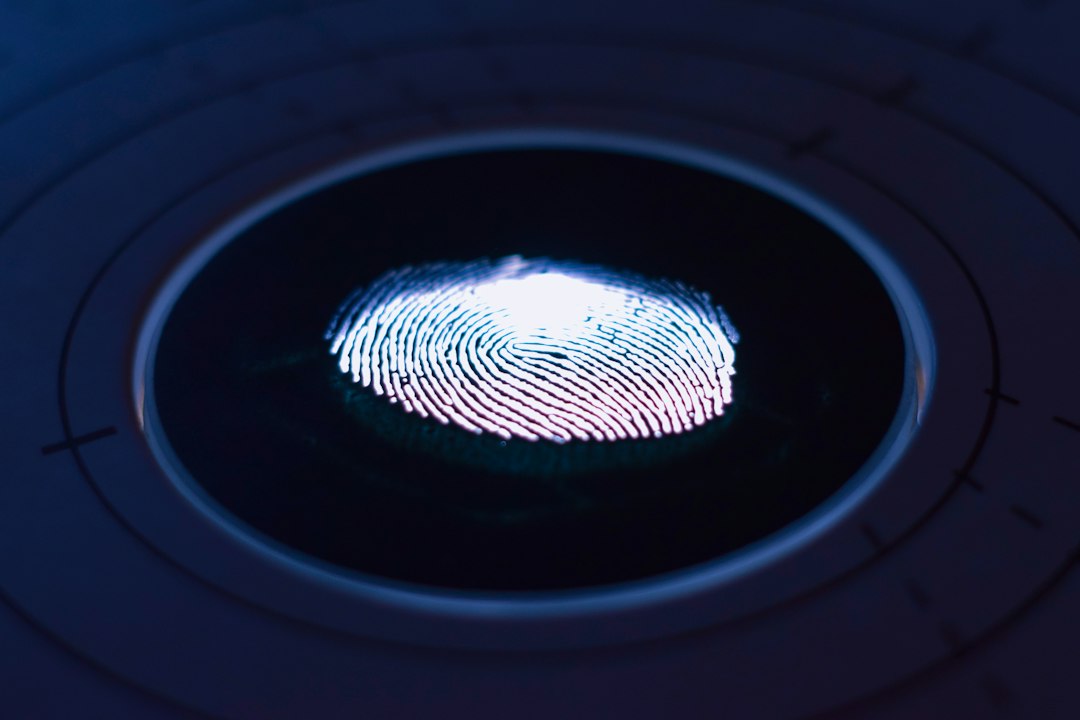

A common myth says a safe recognizes a fingerprint as though it were a simple photograph. In reality, biometric matching converts selected details from a print into a digital template and compares a new scan with that stored information. The process is designed to check characteristics such as ridge patterns rather than preserve a casual image of the entire finger. Enrollment matters because the sensor needs a clear reference. Registering the finger as directed, using the same part of the fingertip during access, and keeping the sensor clean can reduce failed attempts. Some models may also support multiple authorized users, though the exact capacity varies.
Another myth is that a fingerprint reader works equally well under every condition. Reality depends partly on the finger itself. Water, sweat, dust, lotion, or a small cut can change the surface that reaches the sensor. Very dry skin may also produce a weaker scan. If a first attempt fails, wiping the finger and sensor, then trying again with natural placement, may help. Users should avoid pressing excessively or sliding the finger unless the instructions specifically call for it. A sensible setup includes enrolling more than one finger when supported, especially if the safe may be opened with either hand.
Speed is sometimes treated as evidence that a biometric lock must sacrifice security. That is another oversimplification. A reader evaluates a scan against enrolled templates and applies a matching tolerance, meaning it allows for ordinary variation while rejecting prints that are too different. A false rejection occurs when an authorized user is denied; a false acceptance occurs when an unauthorized scan is accepted. No authentication method eliminates every possibility of error, so responsible users should consider who has access, where the safe is installed, and whether its backup entry method is protected. Fast access and careful control can coexist.
The myth that a smart safe can be ignored after installation is equally misleading. Some Verifi models perform self-diagnostic tests every 24 hours and after every use, according to the available product information. In plain English, a diagnostic is an automated check for certain operating problems rather than a guarantee that every component will work forever. Alert features can also add awareness. Open-door alerts can indicate that the safe remains unclosed, while tamper or reset-attempt alerts can draw attention to suspicious activity. A backup-key access alert may help identify use of an alternate entry method, making notifications part of a broader monitoring routine.
Consider a homeowner storing important documents in a bedroom safe and a firearm in a separate access-controlled location. The document safe may be opened by an enrolled adult during a routine emergency, while the firearm safe may require stricter control over enrollment and placement. In both cases, the safe should be mounted or positioned according to its instructions, kept away from unauthorized users, and checked periodically. A backup key should not be left beside the safe, and a combination should not be written where visitors can see it. Fingerprint access improves convenience, but the surrounding storage plan still determines much of the real-world protection.
Certification language deserves careful reading rather than assumptions. The product information describes a fingerprint sensor as the largest and only FBI certified fingerprint sensor in any gun safe. That statement refers to the sensor certification described there, not a universal promise that every biometric safe meets every security standard or legal requirement. Buyers should distinguish sensor performance from the safe’s construction, fire resistance, anchoring options, access controls, and local storage rules. For practical comparisons, biometric safe guidance can help explain available features, but the final choice should match the items stored, the people authorized to open it, and the consequences of delayed or unauthorized access.