
A common mistake is treating every problem as disobedience. A dog that knows sit in the kitchen may be unable to respond beside a noisy road because excitement or anxiety has taken over. Trainers often describe this point as the dog’s threshold, meaning the level of stimulation at which it can no longer learn calmly. Working below threshold gives the dog a chance to think. Owners seeking k9 dog training sydney should look for a plan that explains this process rather than offering one command for every situation.
Reward-based training is not simply handing out treats at random. Reinforcement means adding something the dog values immediately after a useful behaviour, making that behaviour more likely to happen again. The reward might be food, a toy, access to a sniffing spot or calm praise. Timing matters: if a dog sits, then receives a reward several seconds later after standing up, the lesson becomes unclear. A practical session breaks the task into small steps, marks the correct moment with a consistent word or sound, and gradually reduces food once the behaviour is reliable.
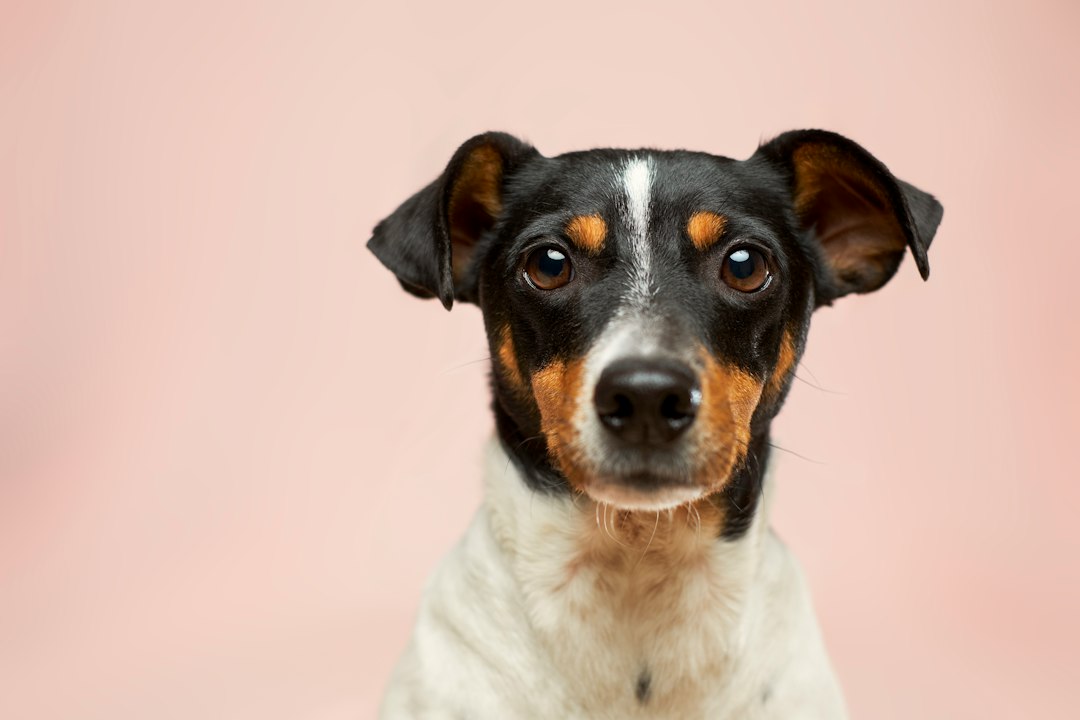
Reactivity needs a slower approach. Imagine a terrier barking at buses. Desensitisation means exposing the dog to a mild version of the trigger, perhaps watching from a quiet side street, then increasing difficulty only while the dog remains able to respond. Counterconditioning pairs that trigger with something positive, changing the dog’s emotional association over time. If the terrier is already lunging, the handler is too close and should create distance rather than insist on a sit. Crossing the road, using a visual barrier and choosing quieter times are sensible management, not failure.
Clear cues prevent a great deal of confusion. A cue is a signal that tells the dog a particular behaviour may earn reinforcement, such as a spoken word, hand movement or lead position. Everyone at home should use the same cue and avoid repeating it endlessly. For example, saying come six times while the dog investigates a bin teaches it that the first five requests can be ignored. A better method is to practise recall indoors, reward promptly, then use a long line in a secure area before attempting more distracting locations.
Training also has to generalise. Generalisation is the dog’s ability to perform a learned behaviour with different people, surfaces, distances, weather conditions and distractions. A puppy that settles beautifully on a lounge-room mat may struggle in a vet waiting room or at a friend’s house. Build variety gradually: practise in the hallway, garden, quiet footpath and then a busier area. Keep sessions short enough to finish successfully. A realistic example is asking for a loose lead around one parked car before expecting calm walking past traffic, cyclists and other dogs.
Good instruction should address the household routine, not just demonstrate a polished exercise during one appointment. Ask how the trainer handles fear, barking, lead pulling and safety around children, and whether the plan includes practice between sessions. Puppies need toilet routines, gentle handling and sensible social exposure, while adult dogs may need a carefully managed behaviour plan. For owners looking for private puppy training, the most useful support is practical: clear homework, explanations of why the behaviour occurs, and adjustments when real Sydney life does not match the training environment.